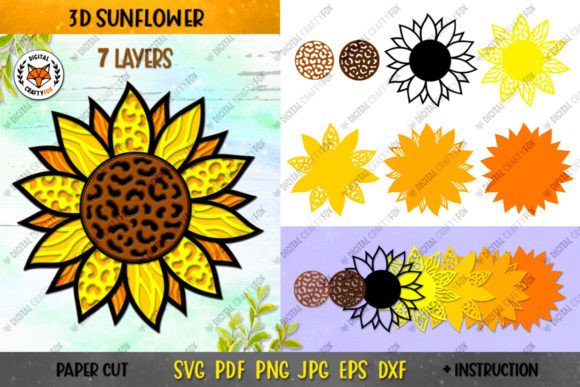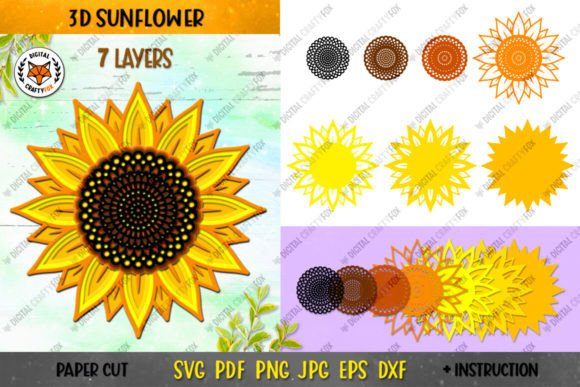
3D Sunflower Mandala Layered Flower: 3D SVG Paper Flowers
As a digital publisher and blog designer, I constantly evaluate graphic design assets not just for their aesthetic appeal, but for their functional utility in a real content workflow. When I first opened the archive for the 3D Sunflower Mandala Layered Flower, my immediate assessment focused on its editorial versatility. This asset strikes a specific balance between organic warmth and structured geometry. It does not feel like a generic clip-art element; rather, it possesses the tactile depth required for high-end editorial design. The visual mood is distinctly lifestyle-focused yet polished enough for professional content marketing. It evokes feelings of craftsmanship, mindfulness, and seasonal transition, making it an ideal anchor for niches ranging from DIY crafting and wellness to sustainable living and creative entrepreneurship.
From a technical publishing standpoint, the inclusion of multiple file formats is a significant advantage. The zip archive contains EPS10, DXF, SVG, and a 300 DPI JPG. For a web designer, the SVG is the most critical component. Unlike raster images that pixelate on retina displays, this vector-based 3D SVG ensures crisp edges whether it is used as a tiny category icon or a massive website header. The 300 DPI JPG serves as an excellent fallback for print-ready digital guides or high-resolution social media previews where vector rendering might be inconsistent across platforms. Having these options readily available streamlines the production pipeline, allowing me to deploy consistent visuals across web, email, and print without needing to recreate or upscale assets manually.
Elevating Editorial Layouts and Blog Graphics
In my daily workflow, the primary challenge is often creating blog graphics that stop the scroll without looking cluttered. The 3D Sunflower Mandala excels here because of its inherent visual hierarchy. The layered nature of the design creates natural focal points, guiding the viewer’s eye toward the center. This makes it exceptionally effective for featured images where text overlay is necessary. I have found that placing headline text in the negative space surrounding the mandala maintains readability while adding significant visual interest. For Pinterest pin creation, this asset is a powerhouse. Pinterest users respond to texture and depth, and the simulated paper-cut effect provides that tactile quality even in a flat digital format. It transforms a standard vertical graphic into something that feels like a premium digital product preview.
Beyond static imagery, this asset supports dynamic brand identity building. For small business branding or affiliate blogs focusing on home decor and crafts, consistency is key to reader trust. Using the 3D Sunflower Mandala as a recurring motif in newsletter headers, sidebar widgets, and footer accents creates a cohesive visual language. It signals to the audience that the content is curated and intentional. When used in affiliate marketing posts reviewing craft supplies or paper art tools, this graphic acts as contextual reinforcement. It demonstrates the end result of the products being discussed, bridging the gap between informational text and visual aspiration. This alignment between content and design significantly improves click-through potential by validating the article's promise before the user even reads the first paragraph.
Strategic Applications for Digital Products and Lead Magnets
One of the most valuable aspects of this creative design asset is its application in monetizable content. As publishers, we frequently create lead magnets, checklists, and mini-courses to grow our email lists. The 3D Sunflower Mandala Layered Flower elevates these resources from simple PDFs to perceived high-value items. I have utilized similar layered floral designs on eBook covers and worksheet headers to increase perceived value. The intricate detail suggests effort and quality, which directly correlates to higher conversion rates on opt-in forms. Furthermore, because the asset includes instructions and is designed for cutting or sublimation, it can serve as the actual content of a printable design freebie. Offering the simplified version as a lead magnet while linking to the full premium file in an affiliate post is a proven strategy for driving both engagement and revenue.
For those utilizing Canva templates to scale content production, this SVG integrates seamlessly. I appreciate that the layers are distinct, allowing for color customization within external editors. This flexibility is crucial for adapting the asset to different seasonal campaigns or brand color palettes without purchasing new assets. Whether you are designing a summer solstice newsletter or an autumn harvest guide, adjusting the hue of this mandala allows it to remain relevant year-round. This adaptability makes it a cost-effective addition to any creative marketplace library or internal asset repository. It reduces the time spent searching for new graphics for every single campaign, thereby accelerating the publishing cycle.
Placement Strategy: Maximizing Impact While Avoiding Visual Noise
While the 3D Sunflower Mandala is versatile, strategic placement is essential for maintaining a professional modern design aesthetic. It performs best as a hero image, a dedicated section divider, or a standalone feature in a gallery. However, publishers must exercise caution when using it in dense layouts. Because the design relies on shadow and layering to convey its 3D effect, shrinking it too small for mobile thumbnails can cause the details to muddy. In my testing, it loses its impact below 150 pixels in width. Similarly, avoid placing it against busy photographic backgrounds or low-contrast textures. The design needs breathing room to communicate its depth. On text-heavy blog pages, use it as a margin accent or a pull-quote background rather than inline with paragraphs to prevent disrupting the reading flow.
Contextual relevance also matters. While perfect for creative, wellness, and lifestyle niches, this asset may feel out of place in strictly corporate, financial, or technical publications unless stylized heavily. Always consider your audience's expectations. For commercial design projects targeting a feminine or artistic demographic, it is a slam dunk. For broader audiences, consider using a monochromatic version to tone down the decorative intensity while retaining the structural elegance. Testing the asset in grayscale is a mandatory step in my QA process; if the layers disappear in black and white, the contrast needs adjustment before publishing. This ensures accessibility and guarantees the design holds up in e-reader formats or printed handouts where color fidelity varies.
Publisher Technical Notes and Licensing Compliance
Before deploying the 3D Sunflower Mandala Layered Flower on a live site, several technical checks are non-negotiable. First, always verify the commercial license. As digital publishers, we must ensure we have the right to use assets in monetized environments, including ad-supported blogs, paid courses, and physical products for sale. Never assume a digital download is cleared for commercial use without checking the included documentation. Second, optimize your files. While the source SVG is lightweight, exported PNGs or JPGs for web use should be compressed to maintain fast load times. Core Web Vitals matter for SEO, and heavy floral graphics can hurt performance if not managed correctly. I recommend serving WebP formats where possible and using lazy loading for any instance of this graphic that appears below the fold.
Finally, test typography pairings extensively. This mandala has a distinct personality that interacts differently with various typefaces. In my experience, it pairs beautifully with clean sans-serif fonts for a contemporary look or elegant serifs for a traditional editorial feel. Avoid overly ornate script fonts, as they compete with the intricate lines of the paper cut design. Test your headlines beside the graphic on both desktop and mobile viewports to ensure legibility. By treating this design asset with the same rigor as your written content, you ensure it enhances rather than detracts from your user experience. When executed correctly, the 3D Sunflower Mandala becomes more than just a decoration; it becomes a functional tool for building a recognizable, trustworthy, and visually compelling digital publication.