3D Layered Calla Lily Set: 3D SVG Paper Flowers
As a digital publisher and blog designer, I constantly evaluate graphic design assets not just for their aesthetic beauty, but for their functional utility in a real content marketing workflow. When I first opened the 3D Layered Calla Lily Set, my immediate assessment was focused on editorial versatility. The calla lily is inherently a simple flower, yet it carries a profound sense of elegance and sophistication that translates exceptionally well to digital screens. In the context of web design and content creation, this asset represents more than just a botanical illustration; it acts as a visual anchor for brands that need to communicate grace, clarity, and modern femininity without appearing cluttered or outdated.
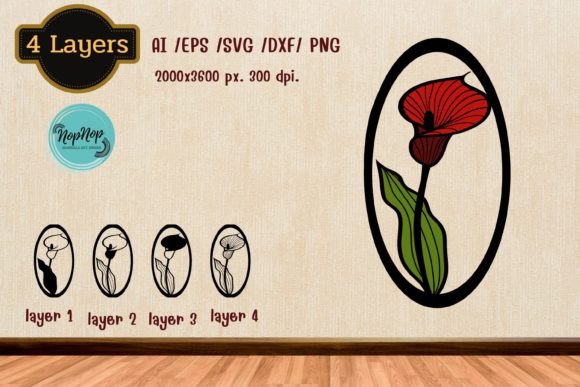
The technical specifications immediately stood out during my review. With an artboard size of 2000 × 3600 pixels at 300 DPI, these files are optimized for high-fidelity output. This resolution is critical for publishers who need a single master file that can serve dual purposes: crisp display on Retina screens for website headers and print-ready quality for physical products. As a 3D SVG format tailored for paper flowers, this set bridges the gap between traditional craft aesthetics and modern digital scalability, making it a valuable addition to any creative marketplace portfolio or personal branding kit.
Establishing Editorial Mood and Reader Trust
Visual hierarchy is the silent narrator of any blog post or landing page. The 3D Layered Calla Lily Set succeeds because it creates an immediate mood of refined professionalism. Unlike generic floral clip art that can sometimes make a site look amateurish, the layered depth in this 3D SVG suggests intentionality and high production value. For content creators in niches like wedding planning, luxury lifestyle, skincare, or spiritual wellness, this level of polish directly correlates to reader trust. When a visitor lands on a page featuring these elegant blooms, they subconsciously associate the meticulous detail of the flower with the quality of the written content.
I found this asset particularly effective for establishing brand identity in saturated markets. The "flower of light" concept mentioned in the product description isn't just poetic; it manifests visually through the way the layers interact. This makes the graphic feel luminous and airy rather than heavy. For affiliate marketers promoting high-ticket items or digital guides, using such sophisticated visuals helps justify premium pricing and elevates the perceived value of the recommendation. It signals to the audience that the publisher cares about details, which is essential for conversion-focused content.
Real-World Publishing Applications Across Platforms
In my daily workflow, I need assets that work hard across multiple formats. The dimensions of the 3D Layered Calla Lily Set make it a powerhouse for Pinterest pin creation. The vertical aspect ratio aligns perfectly with Pinterest’s preferred 2:3 or 9:16 standards, allowing designers to create eye-catching pins without cropping out essential details. I tested this by placing headline text over negative space within the composition, and the legibility remained excellent. This is crucial for driving click-through rates, as the flower enhances the text rather than competing with it.
Beyond social media graphics, this set excels in long-form editorial design. I envision using isolated elements from this set as decorative accents in article headers, pull quotes, or section dividers. For newsletter creators, the 300 DPI resolution ensures that when these images are embedded in email campaigns, they remain sharp even when scaled down for mobile preview panes. Furthermore, for those selling digital downloads or printable designs, this asset serves as an ideal mockup element or cover graphic for eBooks, worksheets, and lead magnets. Its clean lines ensure it reproduces beautifully in both color and grayscale printing scenarios.
Strategic Placement for Maximum Visual Impact
Knowing where to place a graphic is just as important as the graphic itself. Based on my testing, the 3D Layered Calla Lily Set performs best in specific high-visibility zones:
- Hero Images: Use the full composition as a featured image for cornerstone content or category pages to set a cohesive tone.
- Digital Product Covers: The layered texture adds tangible realism to flat PDF covers for courses or planners.
- Media Kits: Incorporate subtle floral elements into sponsorship decks to soften corporate data while maintaining professionalism.
- Social Media Templates: Create reusable Canva templates where the flower acts as a consistent frame for quotes or tips.
- Email Headers: Crop the top portion of the artboard to create a wide banner that maintains brand recognition in inboxes.
Conversely, there are environments where this asset requires careful handling. Due to its intricate layering, I would advise against using it as a tiny favicon or a low-resolution thumbnail under 150 pixels, as the 3D effect may become muddy. It also demands breathing room; placing this detailed flower against a busy, patterned background will destroy the visual hierarchy. Additionally, while elegant, it may not suit ultra-minimalist tech blogs or stern financial corporate sites unless used very sparingly as a metaphorical accent. Always prioritize readability and ensure the flower supports the message rather than overwhelming it.
Publisher Notes: Technical Workflow and Licensing
Before integrating the 3D Layered Calla Lily Set into a live production environment, I recommend a rigorous testing protocol. First, always verify the commercial license terms. If you are using this for affiliate marketing, paid digital products, or client work, confirm that your usage rights cover monetized platforms. Next, test the asset on actual devices. What looks vibrant on a calibrated desktop monitor might appear too dark or washed out on a standard mobile phone screen. Adjust brightness and contrast curves specifically for web export to ensure consistency.
Typography pairing is another critical consideration. During my review, I found that this 3D SVG pairs beautifully with high-contrast serif fonts for a classic editorial look, or delicate handwritten scripts for a personal touch. However, avoid overly decorative display fonts that mimic the organic curves of the lily, as this can create visual vibration. Finally, mind your file sizes. While the source file is 300 DPI for print quality, web versions should be compressed and resized appropriately to maintain fast page load speeds. A beautiful flower shouldn't cost you SEO rankings due to poor performance. By treating this asset with professional discipline, it becomes more than just decoration; it becomes a strategic tool for building a recognizable, trustworthy, and visually compelling digital presence.