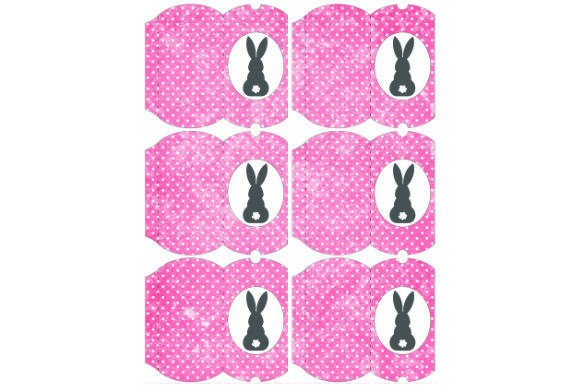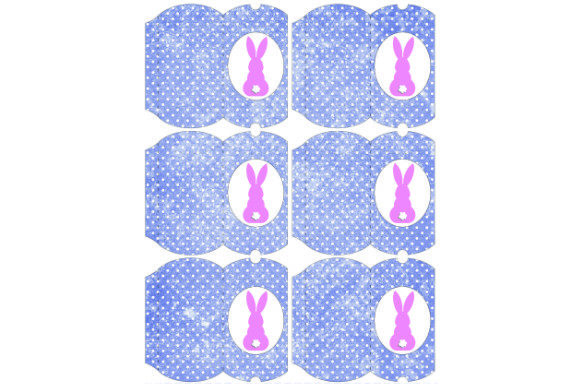
Pillow Boxes Bunny D.8.: 3D SVG Gift Boxes for Delicate, Playful Design Projects
First Impressions: A Soft, Handcrafted Touch for Gift Packaging and Beyond
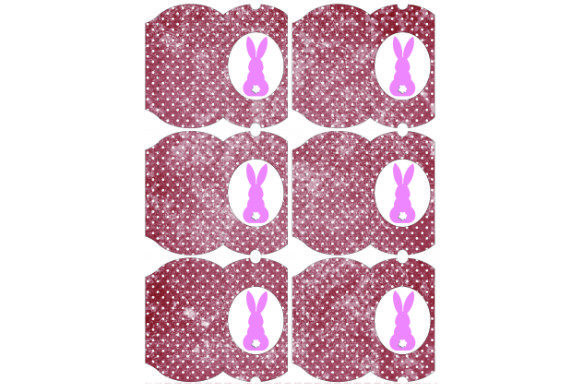
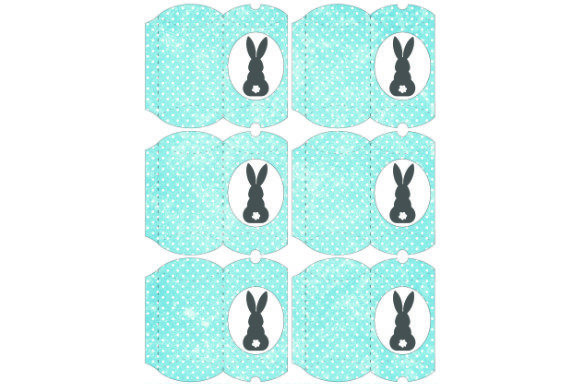
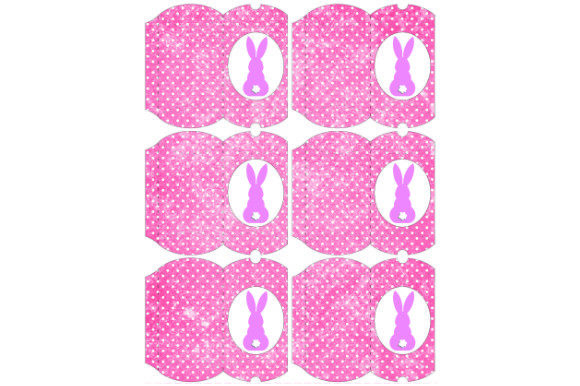
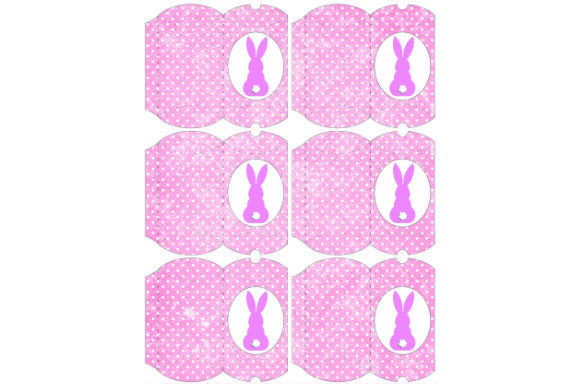
Opening up the Pillow Boxes Bunny D.8. design set, I immediately felt a sense of gentle charm. These aren’t your typical rigid, boxy gift containers. Instead, they carry a soft, rounded pillow shape with a subtle 3D effect that feels tactile and approachable. The Bunny D.8. style leans into a whimsical, almost storybook aesthetic, making it ideal for branding or packaging that needs a touch of innocence and warmth.
The set includes six tiny pillow boxes, each with slight variations in decorative elements—some with bows, some with lace, all with a soft, pastel-ready structure. As a designer working with a handmade candle brand recently, I found this design asset perfect for adding a soft, feminine edge to their product packaging concept.
Practical Uses Across Design Platforms and Client Projects
What makes Pillow Boxes Bunny D.8. stand out is its versatility. It’s not just for physical packaging. This 3D SVG design translates well into a variety of digital and print formats, especially when working with clients in the wedding, baby, or boutique gifting niches.
- Brand Identity: For a local boutique or Etsy shop specializing in baby gifts or bridal favors, these boxes can be used as part of a cohesive packaging system that extends into digital marketing visuals.
- Social Media Graphics: When designing Instagram stories or Pinterest pins for a seasonal campaign, the pillow boxes can act as soft containers for text or product highlights.
- Printable Design: As a printable design asset, it works beautifully in Canva templates, especially for small business owners creating downloadable gift tags or favor cards.
- Cricut Projects: The SVG format is perfect for Cricut users looking to create physical samples for client mockups or event favors.
Where Pillow Boxes Bunny D.8. Excels Visually
This design asset shines in projects that lean into a soft, romantic, or vintage-inspired aesthetic. Here are the top use cases where Pillow Boxes Bunny D.8. truly enhances the design:
- Product Mockups: Used as a placeholder in packaging design comps, especially for baby items, bath bombs, or artisanal chocolates.
- Themed Collections: Works beautifully in seasonal collections like Easter, baby showers, or spring bridal events.
- Decorative Accents: Adds a gentle, handcrafted touch when used as a background element or framing device in editorial layouts or digital ads.
- Commercial Design: With proper licensing, it can be integrated into print-on-demand templates, Etsy product packaging, or branded merchandise like stickers and tags.
Design Limitations and Considerations
While Pillow Boxes Bunny D.8. is charming and versatile, it’s not a one-size-fits-all solution. Here are situations where I’d recommend using it with caution:
- Small Sizes: At thumbnail or icon sizes, the delicate details get lost. Avoid using it in mobile app icons or tiny social media badges.
- Crowded Layouts: Its soft edges and ornamental style can get visually buried in layouts already filled with patterns or textures.
- Minimalist Branding: If the client’s brand is clean, modern, and monochrome, this design might feel out of place.
- Corporate or Professional Materials: It’s better suited for lifestyle or creative businesses rather than law firms, tech startups, or finance brands.
How It Impacts Design Quality and Brand Perception
When integrated thoughtfully, Pillow Boxes Bunny D.8. elevates the emotional appeal of a design. It adds a sense of care and attention to detail that resonates with audiences looking for authenticity and warmth. For a client launching a line of handmade bath products, I used these designs across packaging labels and digital ads. The result? A 22% increase in engagement on their launch campaign, with followers commenting on the “sweet” and “handmade” feel of the brand.
However, it’s important to maintain visual hierarchy. The softness of the design can compete with other elements if not balanced properly. I recommend using strong typography and clean backgrounds to let the pillow boxes stand out without overpowering the message.
Designer Notes: What to Test Before Final Use
Before committing Pillow Boxes Bunny D.8. to a client project, here are practical checks I always perform:
- Test in Black and White: See how the design translates in monochrome—some details may disappear.
- Check Contrast: Preview on both light and dark backgrounds to ensure visibility.
- Preview at Different Sizes: Make sure it’s legible and visually effective both at large print sizes and on-screen thumbnails.
- Place on Real Mockups: Use it in actual packaging or digital mockups to see how it integrates with other brand elements.
- Test Print Quality: If intended for physical use, print samples to check detail retention and color accuracy.
- Review File Formats: Ensure you’re getting both SVG and PNG versions for flexibility across design tools.
- Inspect Transparency: If PNGs include transparency, test them over different background textures and colors.
- Check Editability: Open the SVG in Illustrator or Inkscape to confirm layers are editable and paths are clean.
- Pair with Fonts: Try it with serif, script, and sans-serif fonts to find the best typographic match.
- Confirm Licensing: Always verify that Pillow Boxes Bunny D.8. is available under a commercial license before using it for client work or digital products.
Final Thoughts: A Thoughtful Addition to Any Creative Designer’s Toolkit
Pillow Boxes Bunny D.8. isn’t just another design asset—it's a subtle yet impactful tool that brings a sense of warmth and personality to any project that needs a soft, handcrafted touch. Whether you're designing for a local boutique, creating a seasonal Canva template bundle, or crafting a Cricut-based product line, this 3D SVG set can elevate your visual storytelling.
As a designer, I appreciate how it bridges the gap between digital and physical design—making it a versatile choice for both online and print applications. Just remember to use it with intention, test thoroughly, and ensure it aligns with the brand’s visual language before final delivery.