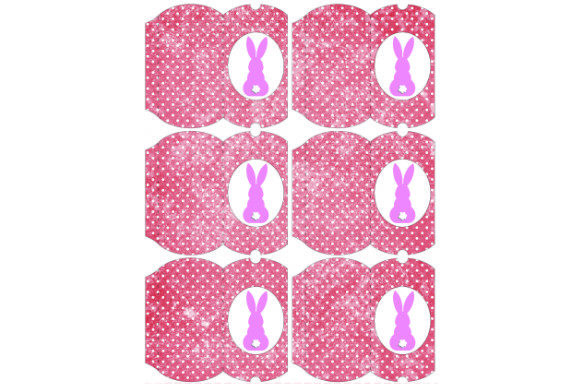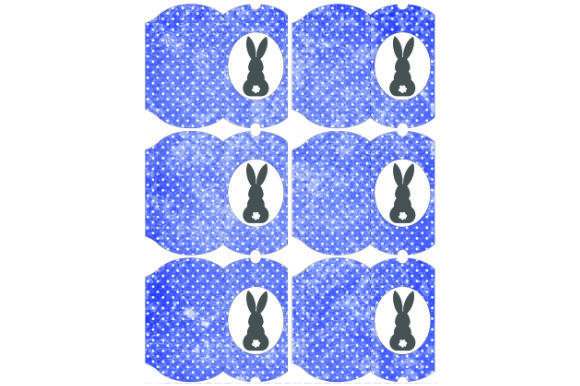
Pillow Boxes Bunny C.9: 3D SVG Gift Boxes Review
First Impressions: Assessing Whimsy for Commercial Packaging
When evaluating a new graphic design asset for a client project, my first criterion is always versatility within a specific niche. Upon reviewing Pillow Boxes Bunny C.9., the immediate impression is one of refined softness and targeted charm. This isn't a generic vector; it carries a distinct handcrafted aesthetic that signals "boutique" rather than "mass-produced." For a designer working with a handmade business or an artisanal bakery, this visual tone is critical. The asset successfully bridges the gap between playful illustration and functional packaging design.
In a recent concept phase for a spring-themed baby shower stationery suite, I needed a focal point that felt organic yet structured. Pillow Boxes Bunny C.9. provided exactly that anchor. Unlike flat clipart, the subtle shading and dimensional cues in this 3D SVG format allow it to sit naturally on textured paper backgrounds without looking like a digital sticker pasted onto a layout. It creates an emotional connection immediately, which is essential when designing for milestones like weddings or newborn celebrations. However, as with any specialized digital product, its success depends entirely on appropriate application.
Integrating Cute Packaging into Brand Identity Systems
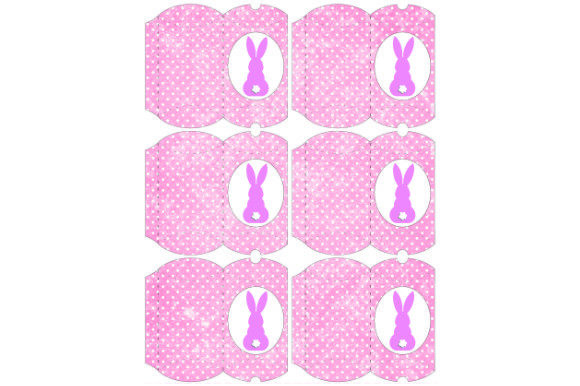
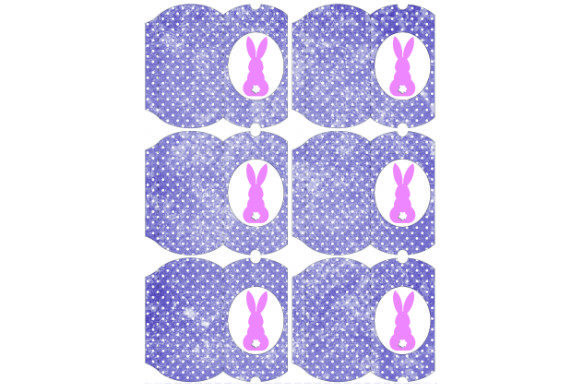
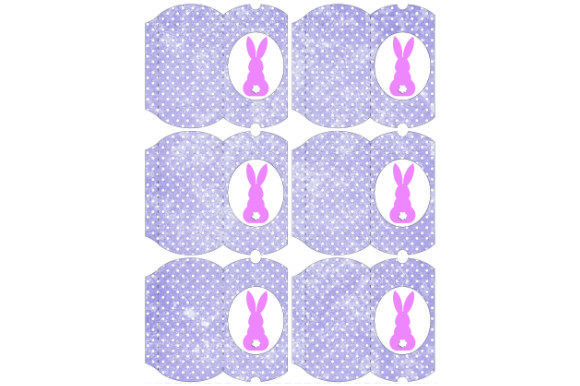
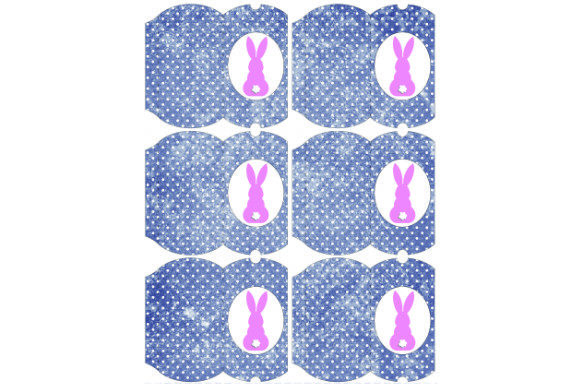
For small business branding, consistency is key. I tested Pillow Boxes Bunny C.9. across multiple touchpoints to see if it could function as more than just a one-off decoration. In brand identity work, assets must scale and adapt. This set of six tiny printable boxes offers enough variation to create a cohesive collection without becoming repetitive. When paired with a delicate serif font or a clean sans-serif typeface, the bunny motif elevates the perceived value of the product line.
I found this asset particularly effective for Etsy product listings where visual differentiation drives clicks. Using the box design as a recurring element in social media graphics and thank-you cards helps build recognition. For a client selling organic tea blends, we utilized the pillow box shape as a framing device for product photography overlays. The result was a unified marketing visuals strategy that felt custom-designed rather than assembled from stock elements. The asset supports a narrative of care and attention to detail, which is often the primary selling point for independent creators in the creative marketplace.
Technical Performance Across Print and Digital Mediums
A beautiful file is useless if it fails during production. As a printable design, Pillow Boxes Bunny C.9. needs to hold up under physical scrutiny. I examined the vector nodes and layer structure to ensure editability. For Cricut project users and those utilizing cutting machines, clean paths are non-negotiable. This asset performs well here; the lines are smooth, and the cut layers are logically organized, reducing weeding time and material waste.
On the digital side, the asset transitions smoothly into Canva template creation. Because the proportions are balanced, it works effectively as a decorative accent in Instagram stories or Pinterest pins without overwhelming text. However, designers should note that while it excels in editorial design and invitations, it requires careful handling in web design. On high-resolution retina displays, the texture details remain crisp, but if scaled down too aggressively for mobile navigation icons, the intricate bunny features can muddy. It is best reserved for hero images, blog headers, or product mockup enhancements where its full detail can be appreciated.
Strategic Placement: Where the Design Shines and Where to Pause
Knowing where not to use an asset is as important as knowing where to use it. Pillow Boxes Bunny C.9. thrives in large layout areas and themed collections. It is an ideal candidate for:
- Sticker design sheets intended for planner enthusiasts or scrapbookers.
- Sublimation design projects on light-colored fabrics or ceramic mugs.
- Favor box templates for bridal showers and seasonal parties.
- T-shirt design for children’s apparel or maternity wear.
Conversely, exercise caution when integrating this into minimalist corporate materials or high-density informational layouts. The inherent whimsy of the bunny can clash with strict professional hierarchies or technical data visualization. If your client requires a sterile, modernist aesthetic, this asset may introduce unnecessary visual noise. Additionally, avoid placing it against busy photographic backgrounds without a solid backing or drop shadow; the fine details of the illustration will compete with the background texture, compromising readability and visual trust.
Evaluating Hierarchy and Emotional Resonance in Layouts
Effective visual hierarchy guides the viewer’s eye, and decorative elements should support, not hijack, this flow. Pillow Boxes Bunny C.9. acts as a strong secondary element. In an invitation suite, it frames the primary typography without stealing focus. The emotional appeal of the bunny adds warmth, increasing audience engagement for lifestyle brands. When used in commercial design for retail packaging, it signals safety and gentleness, attributes highly valued in the baby and pet niches.
However, designers must manage contrast carefully. During my review, I noted that the asset relies on mid-tone values to define its form. On pure white paper, it looks airy and fresh. On dark cardstock, it may require a white outline or knockout layer to maintain definition. This impacts brand consistency across different print substrates. Always preview the design in grayscale to ensure the value structure holds up regardless of color printing variations. A professional result demands that the asset remains recognizable even in monochrome applications.
Essential Pre-Flight Checks for Professional Designers
Before committing Pillow Boxes Bunny C.9. to a paid client deliverable, run through this practical checklist to ensure commercial viability and technical quality:
- Verify Licensing: Confirm the commercial license terms specifically cover your intended use, especially for print-on-demand or mass-produced items.
- Test Print Quality: Print at actual size on your target paper weight. Check for banding in gradients or jagged edges in curves.
- Inspect File Formats: Ensure the SVG design is truly vector-based and not an embedded raster image. Check PNG design transparency for clean edges.
- Typography Pairing: Test against your chosen fonts. Does the bunny style match the x-height and stroke weight of your typeface?
- Mockup Validation: Place the asset on realistic product mockups to verify scale. Tiny pillow boxes should look proportional to real-world objects.
- Editability Assessment: Open the file in Illustrator or Inkscape. Can you easily change colors to match the client’s palette? Are layers named logically?
By treating Pillow Boxes Bunny C.9. as a professional tool rather than mere decoration, designers can leverage its charm to create polished, market-ready work. Whether for a design bundle update or a bespoke client commission, this asset offers genuine utility when applied with intention and technical diligence. It stands out in the crowded space of design assets by offering a specific, usable mood that translates well from screen to tangible product.