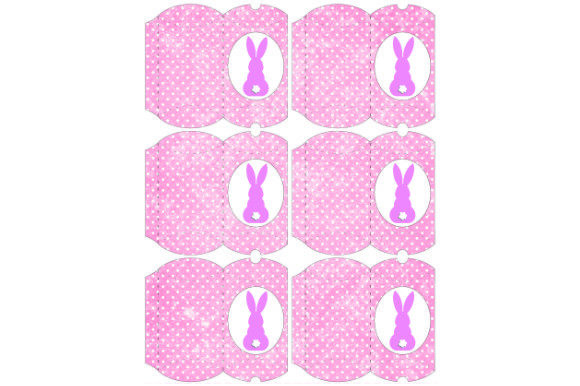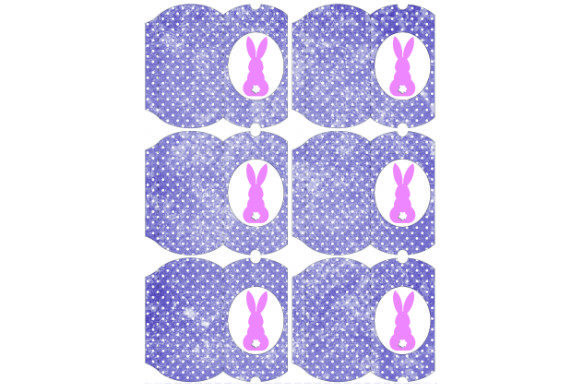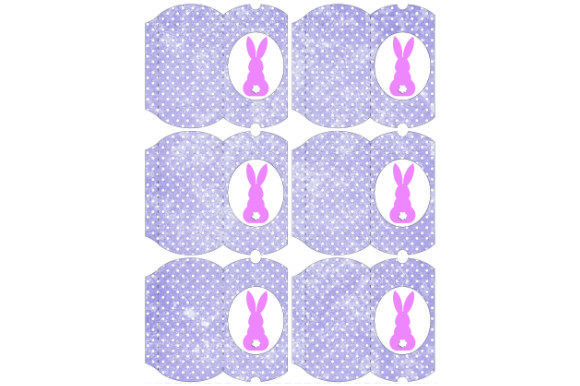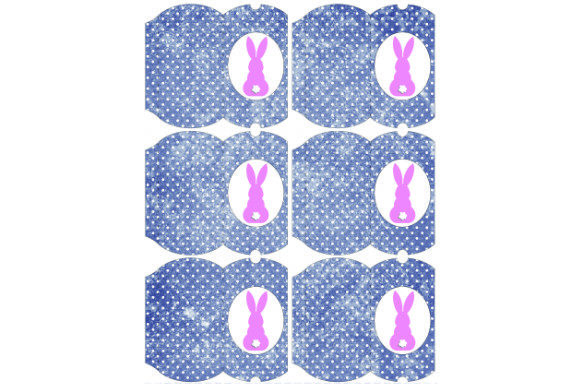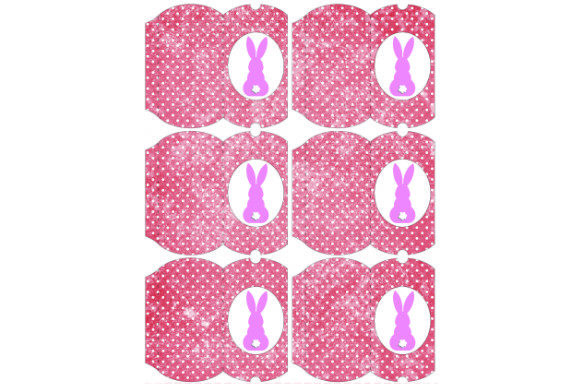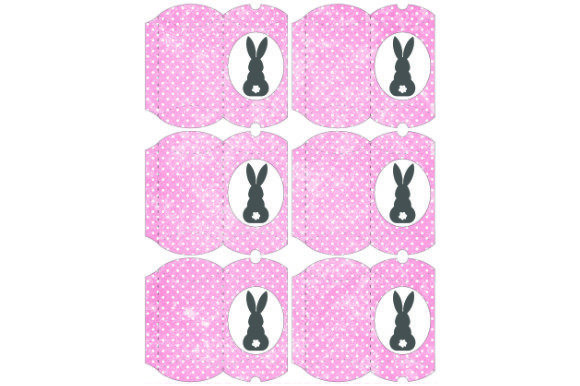
Pillow Boxes Bunny C.13: 3D SVG Gift Boxes Review
First Impressions: Assessing Whimsy for Commercial Packaging
When evaluating a new graphic design asset for a client project, my primary concern is always versatility versus specificity. Upon first inspecting Pillow Boxes Bunny C.13., the immediate takeaway is its distinct niche appeal. This isn't a generic geometric shape; it carries a specific emotional weight that leans heavily into softness, nostalgia, and handcrafted charm. For a recent branding consultation with a boutique baby shower planner and an Etsy seller specializing in handmade confections, this asset immediately stood out as a potential solution for their unboxing experience.
The visual mood created by this set is undeniably sweet without being overly juvenile. As a designer, I appreciate that the bunny motif feels stylized rather than cartoonish, which allows it to bridge the gap between children’s parties and adult bridal showers. When considering this as a digital product for real-world application, the "cute" factor must be balanced with professional execution. Pillow Boxes Bunny C.13. succeeds here because the lines are clean enough to reproduce well on various media, yet detailed enough to convey the warmth required for personal gifting occasions. It fits perfectly for clients who need their packaging to feel like a hug before the gift is even opened.
Real-World Application: From Digital Mockup to Physical Favor
In a practical design workflow, assets must perform across multiple touchpoints. For my current client—a small business owner launching a seasonal cookie line—we needed a cohesive look that spanned from physical packaging design to digital marketing. Pillow Boxes Bunny C.13. proved valuable specifically because it functions as both a structural template and a decorative element.
As a 3D SVG, the file offers significant advantages over flat raster images for cutting machine users. We tested this extensively as a Cricut project. The vector paths were logical, meaning the blade didn't make unnecessary passes, which is crucial when producing hundreds of favor boxes for a wedding or event. Beyond the cut file, we utilized the visual style of the bunny as a recurring motif in our social media graphics. By extracting the character element, we created matching Instagram story templates and Pinterest pins that tied the digital campaign directly to the physical product. This consistency builds brand identity and trust, showing customers that the attention to detail extends from the screen to the tangible item they receive.
For print-on-demand sellers or those creating stickers and labels, this asset serves as an excellent anchor graphic. We paired the bunny illustration with a textured paper background in our product mockups, and the result looked indistinguishable from high-end retail packaging. It elevates simple treats or trinkets into premium gifts simply through association with high-quality visual design.
Optimal Placement: Where the Design Shines Brightest
Not every asset works everywhere, and knowing where to deploy Pillow Boxes Bunny C.13. is key to maintaining a polished aesthetic. This design thrives in large layout areas where its personality can breathe. It is exceptionally strong as a hero graphic for landing pages promoting seasonal sales or as the central focal point on invitation suites. In editorial design for blogs or magazines focusing on DIY crafts, it provides necessary visual relief and thematic relevance.
The asset also excels as a supporting brand element in themed collections. If you are building a design bundle for spring events, Easter, or baby celebrations, this bunny acts as a perfect unifying thread. For sublimation design on mugs or tote bags, the scale allows for vibrant, full-color transfers that remain legible and charming. It is particularly effective for handmade business owners who want to signal "artisanal quality" without hiring a custom illustrator for every single SKU.
Design Constraints: Navigating Hierarchy and Contrast
However, professional judgment requires acknowledging limitations. Pillow Boxes Bunny C.13. should be used with caution in minimalist or corporate contexts. The inherent whimsy can clash with severe modern design or luxury branding that relies on stark negative space. If your client’s visual hierarchy depends on ultra-clean typography, this illustrative element might compete for attention rather than support it.
Size is another critical factor. While marketed as "tiny" pillow boxes, the design details can get lost if scaled down too aggressively for small business cards or footer logos. In crowded layouts, such as a flyer packed with event details, the organic shapes of the bunny and box curves can create visual noise. Furthermore, ensure sufficient contrast; intricate line work requires breathing room. Avoid placing this asset against busy photographic backgrounds unless you apply a solid backing or shadow to separate it from the chaos. For commercial design projects targeting a mature demographic, test whether the "cute" factor aligns with the brand voice, or if it risks appearing unprofessional.
Technical Pre-Flight: A Designer’s Quality Assurance Checklist
Before committing Pillow Boxes Bunny C.13. to a final deliverable, run through this practical checklist to ensure technical viability and legal safety:
- Vector Integrity: Open the SVG design in Illustrator or Inkscape. Check for open paths or overlapping nodes that could cause cutting errors or printing artifacts. Clean vectors are non-negotiable for professional results.
- Contrast Testing: Preview the design in pure black and white. If the bunny loses definition without color, it may fail in single-color print applications like embossing or vinyl decals.
- Typography Pairing: Test the asset against various typefaces. It typically pairs best with rounded sans-serifs or delicate scripts. Avoid heavy, industrial display fonts that visually overpower the softness of the illustration.
- Mockup Validation: Never rely solely on the digital file. Place the design on realistic product mockups to judge scale and texture interaction. What looks good on a white artboard might look flat on kraft paper.
- Licensing Verification: Always confirm the commercial license terms. Ensure you have the right to use the asset for client work, especially if selling physical products derived from the design or including it in a Canva template for resale.
- File Format Flexibility: Verify that high-resolution PNG designs are included for clients who lack vector software. Transparent backgrounds are essential for layering in web design and social posts.
Final Verdict: Elevating the Unboxing Experience
Pillow Boxes Bunny C.13. represents more than just a cute graphic; it is a functional tool for enhancing customer connection through thoughtful creative design. For designers serving the wedding, baby, and artisanal food sectors, this asset solves a specific problem: how to make small-scale packaging feel significant and memorable. Its strength lies in its ability to translate seamlessly from a printable design template to a digital marketing icon, providing cohesion across a fragmented media landscape.
While it demands careful placement to avoid visual clutter or tonal mismatch, its performance in appropriate contexts is excellent. It adds a layer of professional polish to Etsy products and helps small businesses compete with larger brands by offering a bespoke, tactile experience. When vetted properly and applied with strategic intent, this set of pillow boxes becomes a reliable staple in any designer's toolkit for celebratory and gift-oriented projects. It reminds us that in packaging design, emotion is just as important as structure, and sometimes a tiny bunny is exactly what a brand needs to say "we care."