Lighthouse 1 Gable Favor Box Template Review
As a designer who constantly bridges the gap between digital assets and tangible, stitched goods, I approach every new file with a healthy dose of skepticism. We have all downloaded beautiful vector art or SVG files that look stunning on a screen but turn into a thread-break nightmare or a visual mess once they hit the hoop. When I first opened the Lighthouse 1 Gable Favor Box Template, my immediate assessment was not just about its aesthetic charm as a paper-cut template, but how its structural lines and nautical motif would translate into a functional embroidery design for real-world projects.
This review evaluates this asset from the perspective of a maker and small business owner. While originally categorized under Shapes and intended as a 3D SVG for paper crafting, the architectural integrity of this lighthouse design offers unique opportunities for machine embroidery, applique work, and mixed-media products. Here is my practical breakdown of using this template for summer collections, nautical events, and boutique merchandise.
First Impressions: Structural Integrity and Nautical Mood
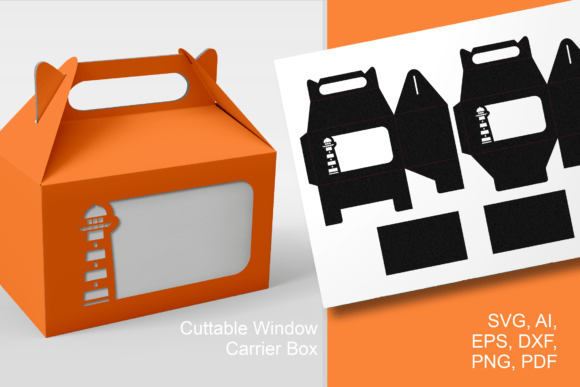
The Lighthouse 1 Gable Favor Box Template possesses a distinct geometric clarity that is essential for successful digitizing. Unlike organic, flowing floral designs that can forgive minor registration errors, a lighthouse demands precision. The vertical lines must be true, and the "see-through holes" mentioned in the product description serve as excellent negative space markers. For an embroidery designer, these window cutouts are not just decorative; they are natural guides for placement stitches or openwork techniques.
Visually, the design evokes a classic coastal summer mood without being overly cartoonish. This maturity in the artwork makes it suitable for a wider demographic. It feels appropriate for high-end wedding favors, sophisticated nursery decor, or premium beachwear branding rather than just children’s crafts. The gable box structure implies a sense of containment and framing, which suggests that if adapted for fabric, it would work beautifully as a contained emblem or patch rather than an unbounded scene.
Real-World Application: From Digital Template to Stitched Product
To truly test the viability of this asset, I mentally prototyped it for a specific client scenario: a custom embroidered tote bag and matching napkin set for a coastal bed and breakfast. The goal was to create a personalized gift that felt handmade yet professional. Because the source file is a 3D SVG template, the adaptation process requires careful consideration of stitch types.
For the tote bag design, the bold outer lines of the lighthouse are perfect candidates for a heavy satin stitch or a textured fill stitch to mimic the masonry of a real lighthouse. The intricate window details, however, require a different approach. In a paper template, these are cuts; in embroidery, they could be executed as reverse applique or simply left as open fabric surrounded by running stitch outlines. This contrast between dense stitching and open fabric creates the tactile quality that customers value in a handmade product.
I also envision this design excelling as an embroidered patch. The self-contained shape of the gable box provides a natural border. For Etsy sellers or craft business owners, creating iron-on patches from this template allows for versatile inventory. Customers can apply them to denim jackets, caps, or backpacks. The nautical theme ensures high searchability during spring and summer seasons, making it a reliable commercial embroidery asset for seasonal revenue streams.
Critical Considerations: Fabric Choice and Technical Limits
While the Lighthouse 1 Gable Favor Box Template is visually strong, its translation to needle and thread requires caution regarding substrate selection. Architectural designs with straight lines expose fabric distortion more readily than curved motifs. If you plan to use this on stretchy fabrics like jersey knits for t-shirts or sweatshirt embroidery, you must employ rigorous stabilization strategies. A fusible cut-away stabilizer is non-negotiable here to prevent the vertical lighthouse lines from bowing or puckering during washing.
Be particularly mindful when working with textured fabrics like linen or terry cloth (tea towels). The fine details of the lighthouse windows can get lost in the weave of a coarse fabric. In my experience, if the original SVG lines are too thin for standard thread, you may need to slightly thicken the columns in your digitizing software to ensure the satin stitch has enough width to anchor properly without tunneling. Conversely, on dark fabrics, the "see-through" concept needs re-evaluation. You cannot have negative space showing through navy blue canvas; instead, those areas must be filled with a contrasting thread color or a lighter fabric applique to maintain visibility.
Small hoop sizes present another challenge. If you are scaling this down for baby embroidery or sleeve cuffs, verify that the smallest window details remain above 2mm after resizing. Anything smaller risks needle breaks or thread shredding. Always check the minimum viable size before committing to a production run of baby clothes or caps.
Enhancing Value Through Professional Execution
The difference between a hobbyist project and a sellable boutique item often lies in the finishing. Using the Lighthouse 1 Gable Favor Box Template effectively means treating it as a premium design asset. Visual appeal is directly tied to stitch density management. Over-dense areas on a lightweight summer fabric will result in a stiff, bulletproof patch of thread that drapes poorly. Under-dense areas will look sparse and cheap. Finding that balance is key to customer trust.
For digital product sellers offering finished embroidered items, presentation matters. Use the clean lines of this lighthouse to create printable mockups that accurately represent the final stitch-out. Buyers engage more readily when they can visualize the scale and texture. Furthermore, because this design originates from a favor box template, consider marketing the dual nature of the product. Offer the physical embroidered item alongside the digital paper template for customers who want to coordinate their party packaging with their apparel or decor. This cross-category utility increases the perceived value of your shop's offerings.
Designer Notes for Successful Implementation
Before listing any finished product derived from this template, adhere to these practical protocols:
- Test Stitch-Outs are Mandatory: Never run this design on a final garment without testing on scrap fabric first. Check specifically for registration alignment between the outline and the fill areas.
- Verify Licensing: Since this is a 3D SVG template originally intended for paper, confirm the license terms explicitly allow for derivative embroidery works and commercial sale of stitched goods. Do not assume digital purchase equals unlimited commercial reproduction rights.
- Thread Color Contrast: Test the design in both black-and-white and full-color mockups. Ensure the lighthouse reads clearly against your chosen fabric background. Low contrast kills sales photos.
- Stabilizer Selection: Match your stabilizer weight to the fabric, not just the design. A complex architectural shape on sheer voile requires a completely different support system than on canvas.
- Detail Inspection: Zoom in at 100% view in your embroidery software. Look for tiny jumps or overlapping stitches in the window sections that might cause issues during high-speed production.
The Lighthouse 1 Gable Favor Box Template is more than just a seasonal decoration; it is a structurally sound foundation for creative embroidery projects. By respecting the technical requirements of translating paper geometry into thread, makers can produce stunning, professional-grade nautical goods that stand out in a saturated market. Whether you are crafting personalized gifts for a seaside wedding or building a summer collection for your Etsy shop, this design offers the versatility and classic appeal necessary for lasting success.