Interlaced Frame Gable Box Template Review
As a designer who constantly bridges the gap between digital assets and tangible, handmade products, I approach every new file with a healthy dose of skepticism. We have all downloaded templates that look pristine on screen but fail catastrophically when the needle hits the fabric or the blade cuts the paper. When evaluating the Interlaced Frame Gable Box Template, my primary focus was not just on its aesthetic charm as a 3D SVG for gift boxes, but on its structural integrity and adaptability for mixed-media projects. For embroidery designers and small business owners, this template offers a unique intersection of paper crafting and textile art, provided you understand its limitations and strengths in a real-world production environment.
First Impressions: Structural Elegance vs. Production Reality
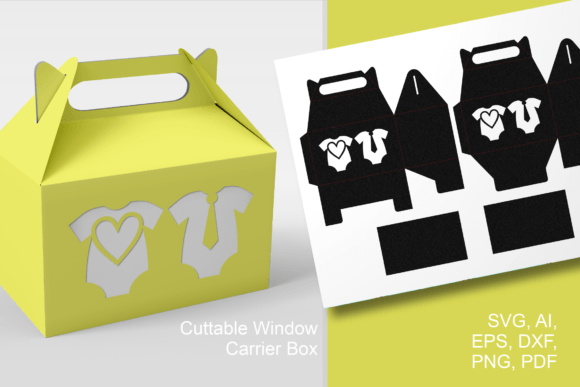
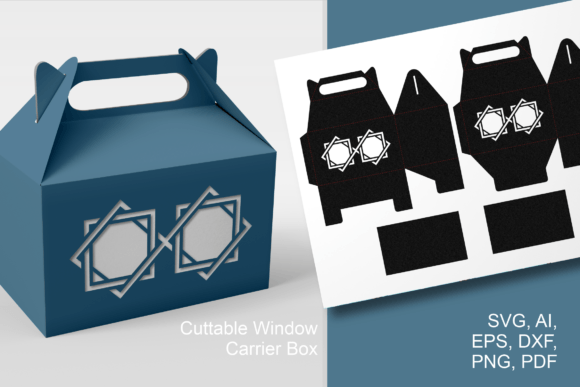
My initial reaction to the Interlaced Frame Gable Box Template was one of cautious optimism. The "interlaced frame" window detail is visually striking, creating a sophisticated see-through effect that elevates standard favor boxes above generic party supplies. However, from a maker’s perspective, intricate cut lines often translate to frustration during assembly or digitizing. In reviewing the vector paths, I found the geometry surprisingly clean. The interlacing is designed with intentional spacing, which is critical. If the gaps were too narrow, this would be a nightmare for both laser cutting and potential appliqué conversion.
The mood this design evokes is distinctly boutique. It does not feel like a quick craft fair filler; it feels like a premium packaging solution for high-end confections or jewelry. For an Etsy seller or creative entrepreneur, this visual personality matters. Customers associate complex, precise geometry with higher value. As a 3D SVG, the fold lines are logical, suggesting that the final gable box will hold its shape without excessive adhesive, which is essential when presenting personalized gifts where the packaging is part of the experience.
Real-World Application: Bridging Paper and Thread
To truly test this asset, I applied it to a recent client project involving custom wedding favors. The client wanted a cohesive brand identity across their stationery, apparel, and packaging. While the Interlaced Frame Gable Box Template is primarily a paper-cut template for candies and party favors, I utilized its geometric motif to create a complementary machine embroidery design for canvas tote bags given to guests.
This is where the template shines for commercial embroidery and mixed-media businesses. Because the interlaced frame relies on negative space and clean lines, it translates exceptionally well into satin stitch borders and running stitch details on fabric. I digitized the frame outline as an appliqué design on natural cotton canvas. The result was a textured, architectural look that mirrored the physical favor box perfectly. This cross-platform consistency builds immense customer trust and brand recognition. When your embroidered patch, sweatshirt embroidery, or tote bag design visually aligns with your packaging, the perceived value of the entire handmade product skyrockets.
For those strictly using this as a gift box template, the carrier-style handle is robust enough for practical use. In my test assembly, the interlaced windows did not tear during folding, a common failure point in decorative box files. This durability makes it suitable for small shop products where items might be shipped or handled frequently before reaching the end user.
Navigating Technical Constraints and Fabric Choices
Despite its versatility, the Interlaced Frame Gable Box Template requires careful handling depending on your medium. If you are adapting this geometry for embroidery, you must respect stitch density and fabric texture. The intricate corners of the interlaced frame can become bulletproof if over-digitized. On lightweight fabrics like baby clothes or tea towels, dense satin stitches along these detailed curves can cause puckering or distortion. I strongly recommend testing on scrap fabric first. For lighter materials, consider converting the frame to a simple running stitch or a lighter fill stitch to maintain drape and softness.
When using the template in its intended paper form, be mindful of paper weight. The interlaced sections reduce structural rigidity. While perfect for light candies, heavy items may require reinforcement. Similarly, if you are cutting this from fabric for raw-edge appliqué, the internal window details are too small for most home embroidery machines to finish cleanly without fraying. In such cases, simplify the interior lattice and keep only the outer frame silhouette.
Dark fabrics present another challenge. The beauty of this design lies in the shadow play of the interlaced layers. On black or navy fabric, this depth disappears unless you use high-contrast thread colors or metallic threads to define the edges. Always compare light and dark fabric backgrounds in printable mockups before committing to a full production run. What looks dimensional on white linen may look flat and muddy on charcoal wool.
Professional Notes for Makers and Sellers
Integrating the Interlaced Frame Gable Box Template into your business workflow requires more than just downloading a file. Whether you are selling digital embroidery files, finished custom apparel, or physical gift boxes, professional due diligence protects your reputation.
- Verify Licensing: Before listing any finished product or derivative digital asset, confirm the specific license terms for this template. Ensure you have commercial rights for both physical sales and digital modifications.
- Hoop Size Management: The interlaced details demand precision. Use the smallest hoop size possible for your embroidery adaptation to minimize fabric shift. Large hoops increase the risk of registration errors in fine geometric patterns.
- Stabilizer Selection: For embroidery adaptations, use appropriate stabilizer. Cut-away stabilizer is generally superior for maintaining the sharp angles of the frame on stretchy or unstable fabrics, whereas tear-away may leave residue in the tight corners of the interlace.
- Mockup Testing: Create black and white mockups to evaluate contrast independent of color. If the design reads clearly in grayscale, it will likely succeed in thread. This step saves time and materials for craft business owners.
- Assembly Dry Runs: If producing these gable boxes in bulk for holiday embroidery events or weddings, assemble at least three prototypes. Check how the interlaced windows behave after repeated handling and ensure the carrier handle supports the intended weight.
Elevating the Handmade Presentation
Ultimately, the Interlaced Frame Gable Box Template is a tool for differentiation. In a saturated market of generic packaging and standard embroidery designs, this asset offers a distinct architectural elegance. It forces the maker to think about structure, negative space, and cohesion. For the apparel decorator, it provides a fresh geometric motif that avoids the cliché floral or monogram routes. For the paper crafter, it delivers a favor box that functions as a keepsake rather than disposable wrapping.
Success with this template comes from respecting its complexity. Do not rush the digitizing process if adapting for thread, and do not skip the prototype phase if cutting for paper. By treating this 3D SVG as a foundational design element rather than a quick fix, you enhance the professionalism of your output. Your customers notice the difference between a hasty craft and a considered, well-executed handmade product. Whether used for a boutique launch, a personalized gift set, or a new line of digital design assets, this interlaced frame brings a level of refined detail that justifies a premium price point and fosters lasting buyer engagement.