Herb Corner Window Gable Box: 3D SVG Shapes Review
Evaluating Whimsy and Structure for Boutique Packaging Projects
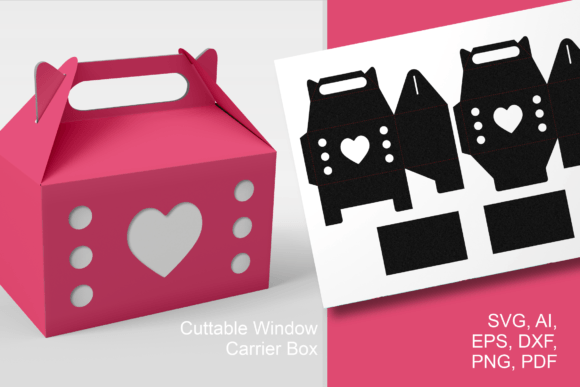
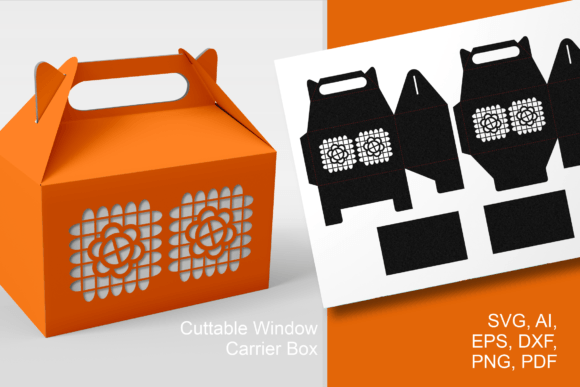
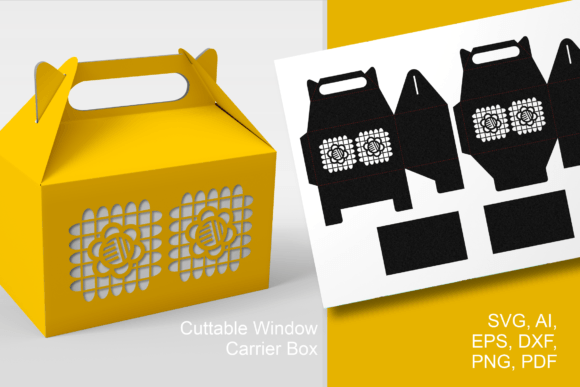
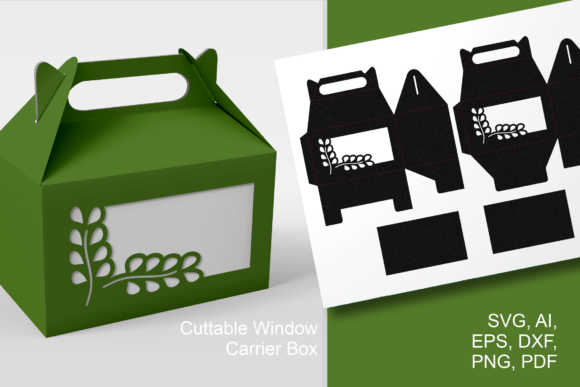
When I first opened the Herb Corner Window Gable Box Template in my vector software, I was immediately struck by the delicate balance between structural integrity and organic ornamentation. As a graphic designer specializing in brand identity and packaging for artisanal businesses, I often struggle to find assets that feel genuinely handcrafted rather than digitally manufactured. This specific asset presents itself as a sophisticated intersection of utility and aesthetics. It is not merely a container; it is a narrative device. The intricate paper-cut style detailing around the window area suggests a level of craftsmanship that aligns perfectly with high-end handmade goods, botanical skincare lines, or premium wedding favors.
In a recent project for a client launching an organic tea subscription service, we needed a physical touchpoint that communicated "natural" and "precious" without relying on generic leaf clipart. This template provided the exact visual mood we were missing. The carrier-style silhouette offers a nostalgic, vintage apothecary feel, while the decorative see-through windows serve a dual purpose: they create visual intrigue and allow the product itself to become part of the design. For designers working in the creative marketplace, this asset bridges the gap between functional packaging design and decorative illustration, making it a versatile addition to any professional library.
Real-World Application in Brand Identity and Marketing Visuals
The true test of any graphic design asset is its performance across multiple touchpoints. In our tea brand campaign, the Herb Corner Window Gable Box Template proved remarkably adaptable beyond just physical cutting. We utilized the 3D SVG file to create photorealistic product mockups for the client’s Etsy product listings. Because the vector paths are clean and logically organized, applying texture overlays and shadow effects was seamless, resulting in marketing visuals that looked like expensive studio photography rather than digital renders.
For social media graphics, particularly Pinterest pins and Instagram stories, the template served as an excellent framing device. We placed product photography behind the window cutouts, creating a cohesive visual language that reinforced the brand identity. This approach is invaluable for content creators and digital sellers who need to maintain consistency across platforms. Furthermore, for those managing Cricut projects or print-on-demand merchandise, the file’s optimization ensures smooth cutting and printing. I successfully adapted the outline for a sticker design series and even used the flattened silhouette as a background element for t-shirt design, proving that this shapes category asset has significant commercial design potential well beyond its original intent.
Optimal Placement Strategies for Editorial and Packaging Design
Understanding where to deploy this asset is just as critical as knowing how to use it. Based on my testing, the Herb Corner Window Gable Box Template excels in large layout areas where its intricate details can breathe. It is ideal for hero graphics on web design landing pages, editorial design spreads in lifestyle magazines, and as the primary focal point on packaging sleeves. The complexity of the paper-cut aesthetic demands negative space; when given room, it elevates the perceived value of the entire project.
This asset also shines in themed collections and seasonal campaigns. For a spring launch or a holiday gift guide, the gable box shape naturally evokes feelings of gifting and celebration. Small business branding often relies on these emotional cues to differentiate from mass-market competitors. When used as a decorative accent in Canva templates or printable wall art, it adds a layer of tactile depth that flat illustrations cannot achieve. For crafters and boutique owners, utilizing this template in physical form for candies and party favors creates a memorable unboxing experience that encourages user-generated content and social sharing.
Navigating Visual Hierarchy and Contrast Limitations
Despite its versatility, professional judgment requires acknowledging limitations. This template should be used with extreme caution in small sizes or crowded layouts. The fine lines characteristic of the paper-cut style will disappear or turn into visual noise when scaled down for business cards or dense informational flyers. Similarly, it is not suitable for minimalist branding or strict corporate materials where clean geometric precision is paramount. The whimsical nature of the herb corner motif can undermine the authority required for financial or legal sectors.
Visual hierarchy is another consideration. Because the template is inherently detailed, it competes for attention. If you are designing a poster or flyer with heavy typography, placing this asset directly behind text will destroy readability. Instead, use it as a border element or a standalone graphic anchor. Designers must also be mindful of contrast; the intricate internal cutouts require a solid background color or image to be visible. On a white background without a stroke, the design loses its definition. Always ensure there is sufficient tonal separation between the template and its environment to maintain visual trust and professional polish.
Technical Pre-Flight Checks for Commercial Design Assets
Before committing this digital product to a final client deliverable, I recommend a rigorous technical review. First, always test the SVG design in black and white. This reveals whether the design relies too heavily on color to define its form or if the line weight holds up independently. Check the node count; for Cricut users and laser cutters, excessive nodes can cause machine stuttering. A quick path simplification pass can optimize the file for production without sacrificing detail.
Typography pairing is equally important. Test the template against various font styles. I found that it pairs beautifully with elegant serif fonts and organic handwritten scripts, reinforcing the handmade business aesthetic. However, it clashes with bold, industrial sans-serif display fonts. Verify the commercial license terms explicitly; while many design bundles allow for end-product sales, some restrict the use of the raw file in editable Canva templates for resale. Finally, inspect PNG transparency if you plan to use it for sublimation design or digital overlays. Ensuring clean edges and proper resolution at 300 DPI is non-negotiable for print quality. By treating this Herb Corner Window Gable Box Template with the same scrutiny as custom-drawn work, designers can leverage it to produce polished, market-ready results that delight clients and customers alike.
Final Verdict for Creative Professionals
Ultimately, the Herb Corner Window Gable Box Template is a robust tool for the modern designer’s arsenal. It solves specific problems in packaging visualization and thematic branding while offering enough flexibility for broader creative applications. Whether you are a blogger enhancing your visual content, a marketer planning a seasonal activation, or a crafter building a product line, this asset delivers professional value when applied with intention. It transforms standard favor boxes into branded experiences, proving that even utilitarian shapes can carry significant emotional and commercial weight in today’s visual landscape.