3D Layered Rose: A Designer’s Practical Review
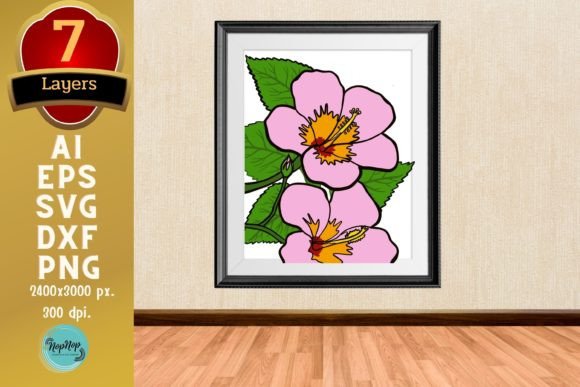
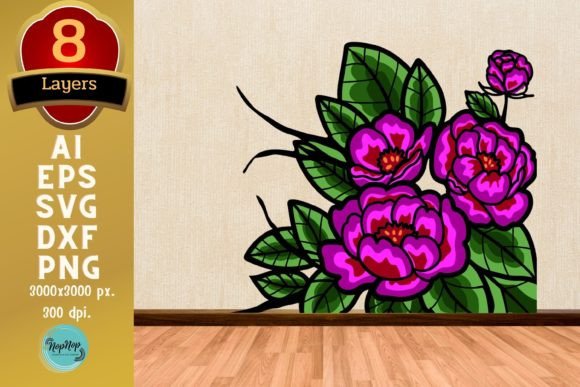
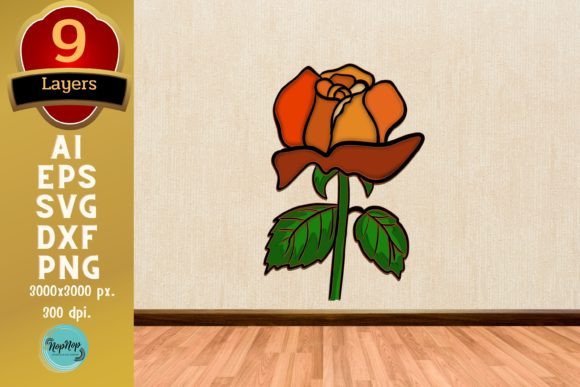
As a designer who constantly bridges the gap between digital assets and tangible handmade products, I approach every new file with a healthy dose of skepticism. We have all downloaded beautiful vector art that looks stunning on screen but fails catastrophically when translated into thread or laser-cut layers. When evaluating the 3D Layered Rose, my primary focus is not just its aesthetic beauty, but its functional viability for real-world production. This asset pack, featuring seven distinct layered designs in AI and ES formats within a single zip file, presents an interesting opportunity for makers. While originally categorized under Wall Decor and Laser Cutting, the high-resolution 300 DPI artwork at 3000 × 3000 pixels offers significant potential for mixed-media embroidery projects, provided you understand how to adapt it.
First Impressions and Visual Personality
Upon opening the files, the immediate impression is one of organic depth. The "3D" aspect here refers to the visual layering of petals rather than pre-digitized puff foam, which gives the designer immense freedom. The mood is romantic yet structured, avoiding the overly cloying sweetness that can sometimes plague floral embroidery designs. For a creative entrepreneur or Etsy seller, this balance is crucial. It feels mature enough for boutique branding yet accessible enough for personalized gifts. The clean lines in the AI and ES files suggest that if you are using this as a base for digitizing your own machine embroidery design, the paths are logical. However, because these are vector art files and not pre-digitized stitch files, they serve as a premium blueprint. You are getting the architectural skeleton of a rose that can be interpreted through satin stitch borders, fill stitch centers, or even combined with laser-cut felt layers for true tactile dimension.
Real-World Application: The Custom Tote Bag Test
To truly judge this asset, I mentally applied it to a current client request: a series of canvas tote bags for a bridal party. Canvas is unforgiving; it has a coarse fabric texture that can swallow fine details. In this scenario, the 3D Layered Rose shines because of its bold, separated petal structure. Unlike a hyper-realistic shaded rose that requires thousands of stitches and heavy stabilizer, this layered design allows for negative space. I envision using a running stitch to outline the inner layers and a dense satin stitch for the outermost petals. This reduction in stitch density prevents the tote bag from becoming stiff or warped.
For small business owners, this adaptability translates directly to profit margins. Less stitch time means faster production, while the "layered" aesthetic still commands a higher perceived value than a flat print. If you are creating an embroidered patch instead, the distinct separation of layers makes cutting around the design significantly easier, reducing fraying risks on the finished product.
Navigating Fabric Limitations and Hoop Constraints
While versatile, this design demands respect regarding placement and substrate. Because the artwork is high resolution, there is a temptation to scale it up or down without considering stitch physics. On stretchy fabrics like jersey knits used for sweatshirt embroidery or baby clothes, the open nature of a layered rose can lead to registration issues if not stabilized correctly. The gaps between layers must align perfectly; otherwise, the 3D illusion breaks, and it simply looks like misplaced shapes.
I would advise extreme caution when using this design on curved surfaces like caps or heavily textured terry cloth towels. The intricate layering relies on visual continuity. On a cap's curved brim, the distortion can make the petals appear disconnected. Similarly, on dark fabrics, ensure your thread colors provide enough contrast to define the layers. If the shadow and highlight threads blend too closely with a navy or black background, the depth is lost. Always test on scrap fabric first. For those selling digital embroidery files derived from this art, include specific notes about recommended stabilizers and hoop sizes to maintain customer trust and reduce support requests.
Cross-Discipline Potential: Laser Cutting Meets Embroidery
It is worth noting the product’s origin in Laser Cutting and Wall Decor. For makers with access to both a laser cutter and an embroidery machine, this is where the 3D Layered Rose reaches its peak potential. Imagine laser-cutting the inner three layers out of leather or wool felt and embroidering only the outer two layers directly onto a pillow cover or apron. This hybrid technique creates genuine physical depth that thread alone cannot achieve efficiently. For craft fair products or high-end boutique items, this mixed-media approach differentiates your work from standard mass-produced embroidery. Even if you only embroider, studying the laser-ready vectors helps you understand where to place tack-down stitches if you decide to incorporate fabric applique design techniques manually.
Commercial Viability and Brand Consistency
For Etsy sellers and commercial embroidery businesses, consistency is key to brand recognition. Having seven variations in one pack allows you to create a cohesive collection rather than a disjointed assortment. You could use the most complex rose for a centerpiece on a jacket back, a medium version for chest placement, and the simplest layer for wrist cuffs or pocket accents. This scalability ensures your handmade products look like a curated line. Furthermore, the 3000 × 3000 pixel resolution at 300 DPI is excellent for creating printable mockups. Before you even stitch a sample, you can overlay these vectors onto product photos to gauge buyer engagement and validate market interest. This saves time and materials, allowing you to confirm licensing and commercial rights before committing to full production runs.
Essential Technical Checks Before Stitching
Before you load this into your software or send it to production, run through this practical checklist:
- Verify Licensing: Confirm whether the license permits selling finished physical products, digital embroidery files, or both. Never assume commercial rights extend to reselling the digitized version.
- Digitization Strategy: Since this includes AI and ES files, plan your stitch types. Will you use fill stitch for the entire petal, or combine satin borders with lighter fills? Heavy fills on large areas require cutaway stabilizer.
- Contrast Testing: View the design in grayscale or black and white mockups. If the layers disappear without color, your stitch definition needs adjustment.
- Hoop Size Confirmation: Ensure your chosen variation fits your hoop with adequate margin for stabilization. Do not force a large design into a small hoop by shrinking it below the legible detail threshold.
- Washability Assessment: If intended for baby embroidery or kitchen towels, test wash durability. Open layered designs can snag; consider adding a light mesh fill behind open areas for structural integrity.
Final Thoughts for the Maker
The 3D Layered Rose is more than just a pretty graphic; it is a flexible foundation for creative entrepreneurs willing to put in the technical groundwork. Its strength lies in its modularity and clean geometry, making it suitable for everything from delicate personalized gifts to robust custom apparel. By respecting the relationship between the vector art and the physical limitations of thread and fabric, you can transform this digital download into a signature element of your product lineup. Whether you are stitching it entirely or combining it with laser-cut elements, success comes from treating the file as a starting point for craftsmanship, not a final destination. Always sample, always adjust, and let the quality of your execution elevate the inherent beauty of the design.