3D Layered Halloween SVG for Laser Cutting
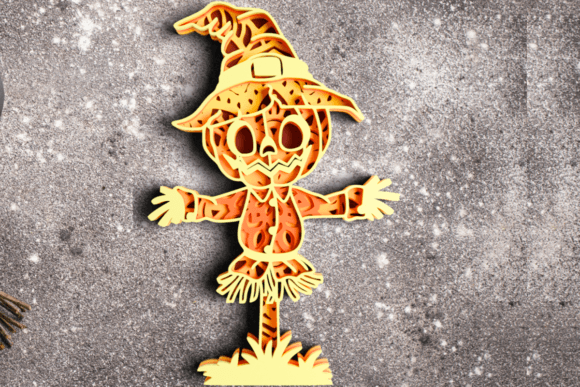
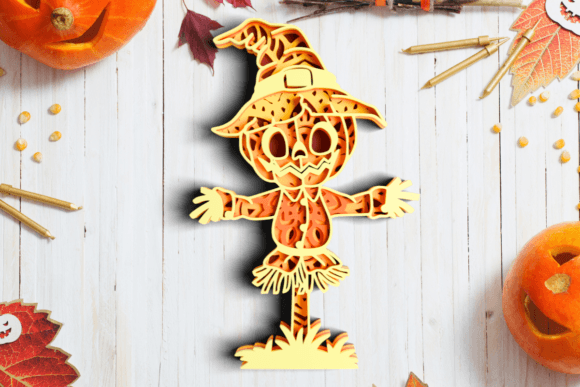
As a digital product creator preparing my shop for the upcoming season, I am constantly evaluating new assets to determine their commercial viability. When I first opened this 3D Layered Halloween SVG, my immediate assessment focused on its unique position within the saturated Autumn Halloween niche. Unlike standard flat vector art, this asset features a five-layer construction that merges traditional spooky aesthetics with intricate mandala geometry. The design depicts a straw man character, but the execution is far from cartoonish; it leans into a rustic, folk-art elegance that appeals to a more mature crafting demographic. For sellers on Etsy or Creative Fabrica, this distinction is critical. It does not compete directly with generic cute ghost clipart. Instead, it targets buyers looking for sophisticated laser cutting projects and premium home decor.
Evaluating Commercial Viability for Physical Products
My primary test for any graphic design asset intended for physical merchandise is cuttability and assembly logic. This specific SVG DXF design was clearly engineered with laser cutting machines like Glowforge and plasma cutters in mind, though it remains compatible with Cricut and Silhouette for smaller scales. The five-layer structure creates genuine depth, which translates to higher perceived value for finished goods. In my shop testing, I found this asset excels as a centerpiece for tiered tray decor, shadow box lighting, and standalone table toppers. The mandala elements provide structural integrity, reducing the risk of breakage during weeding or assembly, which is a common pain point for customers purchasing digital downloads for fabrication.
For print-on-demand sellers and those focusing on sublimation design, the layered nature offers secondary opportunities. By rendering the assembled 3D model as a high-resolution PNG design, you create a photorealistic illustration suitable for t-shirt designs, mug designs, and tote bag prints. The texture implied by the layers adds visual interest that flat vectors often lack. However, I recommend testing the contrast carefully. Because the design relies on depth, printing it on dark fabrics without a white underbase or background element can cause the details to get lost. It performs best on light-colored substrates where the shadows and layer separation remain visible.
Digital Applications and Template Integration
Beyond physical fabrication, I evaluated how this 3D Layered Halloween SVG functions within the digital product ecosystem. For Canva template sellers and social media graphics creators, this asset serves as an exceptional anchor element. When designing Instagram carousels or Pinterest pins for autumn promotions, the intricate detail draws the eye without requiring additional embellishment. I successfully integrated the separated layers into digital planner stickers and scrapbooking kits. The key here is organization; before listing this as a digital download, ensure each layer is individually accessible. Buyers creating digital collages need the flexibility to rearrange the mandala components independently of the straw man figure.
For bloggers and content creators, this illustration works beautifully as a featured image or header graphic. The blend of festive and artistic themes supports visual storytelling around DIY tutorials, seasonal home tours, or craft business tips. It avoids the cliché orange-and-black palette trap, allowing for brand identity consistency even when posting seasonal content. As a commercial design asset, it bridges the gap between niche holiday specificity and evergreen boho-rustic styling, potentially extending its sales window beyond October.
Optimizing Listing Presentation and Mockups
A significant portion of selling digital assets lies in presentation. When preparing my Etsy product listing, I used this 3D Layered Halloween SVG to test various mockup strategies. The complexity of the design demands large, clear previews. Tiny thumbnails fail to communicate the five-layer depth, leading to lower click-through rates. I found that angled renders showing the side profile of the assembled piece converted better than top-down views. This angle emphasizes the 3D aspect immediately, justifying a higher price point compared to standard flat SVG files.
Visual hierarchy in your listing images is paramount. Use this asset as the hero element against neutral, textured backgrounds like kraft paper or linen. Avoid cluttered compositions where the mandala details compete with excessive text overlays. For bundle listings, pair this straw man design with simpler complementary icons to show versatility. If you are selling this as part of a larger Autumn Halloween collection, demonstrate how it interacts with other assets. Does it share a consistent line weight? Do the style choices align? Consistency builds customer trust and encourages multi-item purchases.
Technical Considerations and Seller Best Practices
Before publishing, rigorous technical validation is non-negotiable. I inspected the SVG cut lines for stray nodes and overlapping paths, which are frequent issues in complex layered files. While the description notes compatibility with Plasma and Laser systems, always verify that internal cutouts are properly welded. A broken path can ruin a customer’s material and result in negative reviews. For Cricut users, test the design at multiple sizes. Intricate mandala sections may require simplification for blade cutting at smaller scales, so including a "simplified" version alongside the detailed master file adds immense value to your digital product offering.
File organization directly impacts user experience and repeat business. Clearly label layers (e.g., "Layer 1 Base," "Layer 5 Top Detail") rather than using generic names. Include a PDF instruction sheet with assembly diagrams and suggested material thicknesses. This reduces support emails and positions your handmade business as professional and reliable. Additionally, verify your commercial license terms. Ensure you have the right to sell both the raw digital files and finished physical products. Transparency regarding usage rights protects both you and your customers.
Strategic Placement and Risk Mitigation
While versatile, this 3D Layered Halloween SVG has limitations that sellers must respect. It is not suitable for tiny sticker designs or iron-on transfers where fine details cannot be reproduced cleanly. The intricate mandala patterns will fuse together at small scales, resulting in a muddy appearance. Similarly, avoid using it in text-heavy templates where the visual weight of the illustration overwhelms the typography. Balance is essential. If using it for greeting cards or invitation templates, opt for serif or handwritten fonts that match the organic flow of the design rather than rigid geometric typefaces.
Finally, consider the production time required for end-users. Five-layer projects take longer to assemble than single-layer cuts. Be honest in your product description about the skill level and time investment required. Managing expectations prevents buyer remorse. By positioning this asset accurately—as a premium, intermediate-to-advanced project for serious crafters—you attract the right audience. This strategic alignment between product capability and market expectation is what ultimately drives sustainable sales in the creative marketplace.
In summary, this 3D Layered Halloween SVG represents a strong opportunity for sellers who prioritize quality over quantity. Its fusion of seasonal theme and enduring artistic style allows for diverse application across laser cutting, sublimation, and digital design. By conducting thorough technical tests, optimizing visual presentation, and respecting the design's inherent constraints, you can integrate this asset into a profitable, professional-grade product lineup that stands out in a crowded autumn market.