3D Layered Floral Number Four: Graphics for Crafts
As a digital publisher and blog designer, I constantly evaluate graphic design assets not just for their aesthetic appeal, but for their functional utility in a real content workflow. When I first opened the files for the 3D Layered Floral Number Four SVG DXF, my immediate assessment focused on its potential to elevate editorial design beyond standard stock photography. This asset creates an instant mood of intricate craftsmanship and feminine sophistication. It does not feel like a generic clipart element; rather, the four-layer mandala structure suggests depth, intention, and artistic care. For publishers in the lifestyle, DIY, education, or creative business niches, this specific visual tone signals to readers that the content they are about to consume is curated, detailed, and high-value.
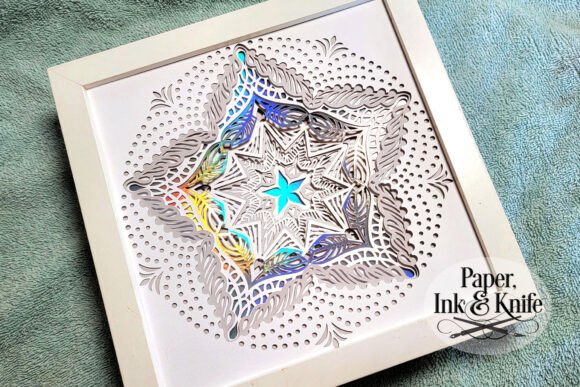
The editorial mood established by this digital download is distinctly tactile. Even though it is a vector file, the layered floral composition mimics the look of paper crafting or laser-cut art. This bridges the gap between digital content and physical crafts, making it exceptionally useful for bloggers who need to represent hands-on creativity through a screen. It feels modern yet timeless, avoiding the overly playful or childish aesthetic that often plagues number-based graphics. Instead, it leans into a professional, boutique style that supports serious content marketing while retaining creative warmth.
Integrating Vector Assets into Editorial Workflows
In my daily publishing operations, versatility is non-negotiable. The 3D Layered Floral Number Four SVG DXF excels because it serves multiple distinct purposes across a content ecosystem. Upon purchase, you receive a ZIP file containing one SVG, one DXF, and one EPS file, ensuring compatibility whether you are working in Adobe Illustrator, Canva, or cutting machine software. This flexibility allows me to deploy the same brand identity element across various formats without losing quality.
For blog graphics, I have found this asset particularly effective as a stylized drop cap or a decorative anchor in long-form articles. When writing listicles or step-by-step guides, replacing standard bullet points or numbered lists with this floral numeral breaks up text density and maintains reader engagement. In web design, it functions beautifully as a subtle watermark or background texture when opacity is reduced, adding brand consistency without distracting from the main copy. For Pinterest pin creation, the bold, layered silhouette remains legible even at small mobile sizes, which is critical for driving click-throughs in crowded feeds.
Beyond standard blog posts, this creative design element transforms digital products. If you are creating a lead magnet, such as a "4-Step Guide to..." or a "Day 4 Challenge" worksheet, using this graphic on the cover instantly increases perceived value. It signals that the resource is premium and thoughtfully designed. Similarly, for newsletter headers, it provides a recognizable visual cue that helps subscribers identify your emails in a cluttered inbox. The ability to recolor each of the four layers independently means I can adapt the asset to match seasonal campaigns or specific affiliate marketing promotions while maintaining a cohesive visual language.
Enhancing Reader Trust Through Visual Hierarchy
Visual hierarchy is the silent narrator of user experience. The 3D Layered Floral Number Four SVG DXF supports stronger visual hierarchy by acting as a focal point that guides the eye without overwhelming the layout. In affiliate marketing contexts, where trust is paramount, polished visuals reduce bounce rates. Readers subconsciously associate high-quality design assets with credible information. A sloppy, pixelated number suggests amateur advice; a crisp, scalable vector suggests expertise.
This asset also aids in category recognition. For sites with extensive archives, using this floral number series (if collected) or similar stylistic elements helps users navigate content intuitively. It strengthens small business branding by providing a proprietary visual signature that distinguishes your site from competitors using the same free stock libraries. Furthermore, when used in social media graphics for Instagram or Facebook, the intricate details encourage pauses in scrolling, increasing dwell time and algorithmic favorability. The 3D effect, achieved through layering rather than raster shadows, ensures the graphic looks sharp on Retina displays and high-DPI screens, reinforcing a professional modern design standard.
Strategic Placement and Contextual Awareness
While versatile, this graphic design asset requires strategic placement to maximize impact. It performs best in hero images, section dividers, printable design covers, and Canva template elements where there is ample negative space. The complexity of the mandala flowers needs room to breathe. It is ideal for website header accents in creative portfolios or craft blogs, where the ornate style aligns with user expectations.
However, publishers must exercise caution in certain contexts. Avoid using this asset in small mobile thumbnails where the intricate petal details may blur into an indistinct blob. It should also be used sparingly in text-heavy blog images where readability is the primary goal; the floral density can compete with body copy if not managed with sufficient padding. Additionally, for highly corporate, legal, or medical niches, this style may read as too decorative or informal. Always assess whether the commercial design aesthetic matches the gravity of your subject matter. In minimalist layouts, ensure the color palette is restrained to prevent the graphic from dominating the entire page.
Publisher Notes: Technical Testing and Licensing
Before deploying the 3D Layered Floral Number Four SVG DXF to a live production environment, I recommend a rigorous testing protocol. First, test the asset on both desktop and mobile screens. Zoom out to 10% to simulate a thumbnail view and zoom in to 200% to check vector integrity. Preview it inside your actual blog layout, not just in isolation, to ensure it harmonizes with your existing CSS and typography.
- Typography Pairing: Test the graphic beside serif fonts for a classic editorial look, sans-serif fonts for modern contrast, and script fonts for a cohesive handmade feel. Ensure the weight of the font balances the visual weight of the four layers.
- Contrast Checks: Verify accessibility standards. If placing text over or near the graphic, ensure WCAG compliance. Try the design in black and white to confirm it relies on shape, not just color, for definition.
- Web Performance: Although SVGs are lightweight, complex paths can increase file size. Run the SVG through an optimizer like SVGO before uploading to maintain fast page load speeds.
- Licensing Compliance: Crucially, review the commercial license terms included with your digital download. Confirm whether you can use the asset in monetized blog posts, paid digital guides, or client work. Respecting intellectual property protects your business and supports the creative marketplace.
Ultimately, the 3D Layered Floral Number Four SVG DXF is more than a decorative element; it is a functional tool for content creators seeking to refine their visual communication. By leveraging its layered depth and scalable format, publishers can create a more immersive, trustworthy, and aesthetically consistent experience for their audience. Whether you are designing a Pinterest pin, formatting a digital guide, or refreshing your website header, this asset offers the professional polish necessary to stand out in today’s saturated digital landscape.